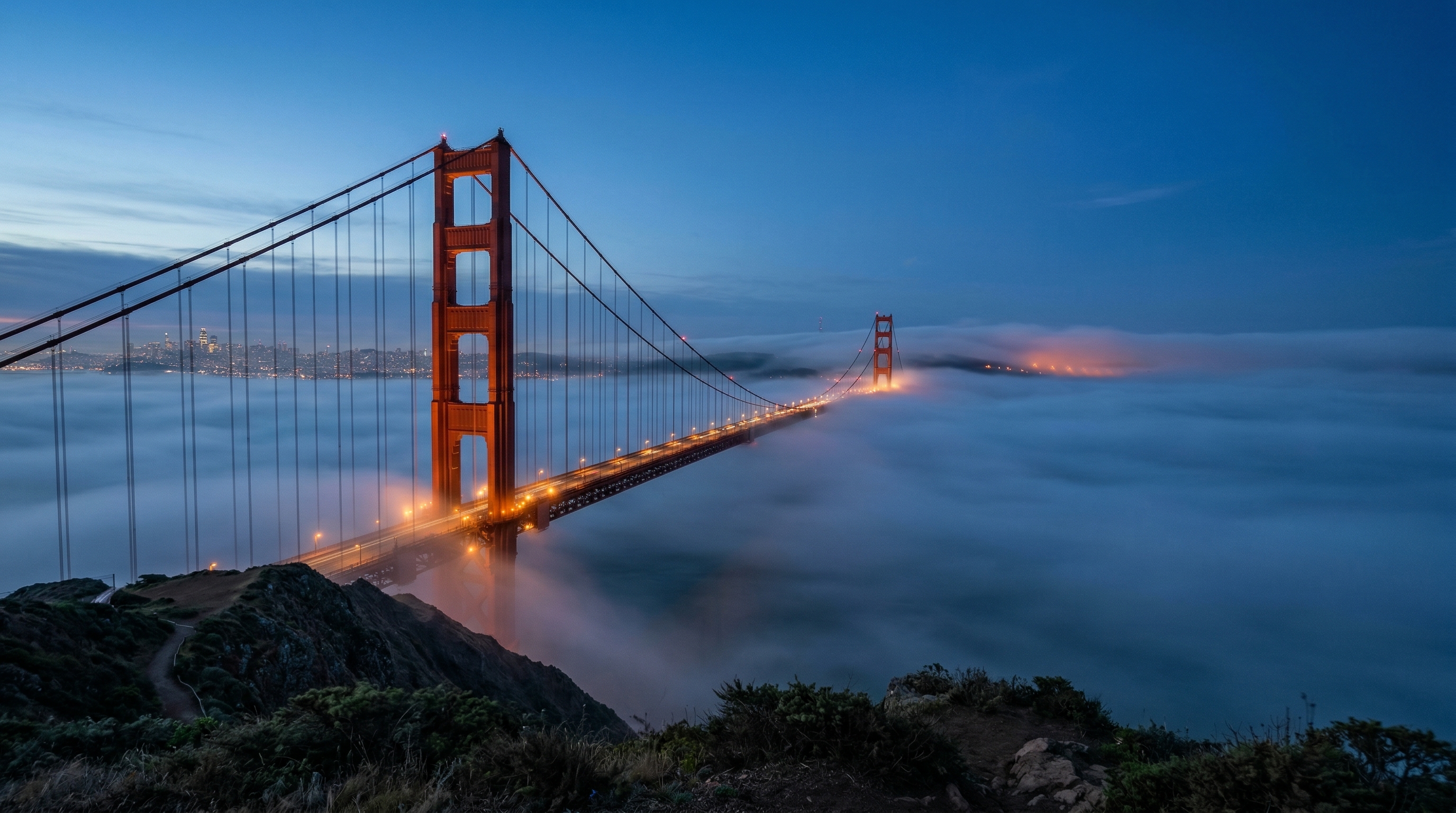
After Techstars ended, we decided to relocate to San Francisco. It’s been a process. Here’s the honest version.
Why SF
I get asked this a lot, usually with a tone that implies it’s an outdated choice. My answer is simple: if you’re building AI products, the density of people who understand your problem space is unmatched.
In Seoul, I’d explain what we’re building. In SF, people immediately jump to “how” — how does your RAG pipeline work, what’s your chunking strategy, have you tried this new embedding model. The conversations are 10x more productive.
That density compounds. Customers, investors, potential hires, and collaborators are all within a 30-minute radius. For an early-stage startup burning limited runway, that compression matters.
The visa reality
What nobody tells you: the visa process for a Korean founder moving to the US is unpredictable and slow. We started immediately after Techstars. Months later, we’re still working through it with our immigration firm.
Meanwhile, life is in limbo. Our winter clothes are in an overseas storage facility. We sold our furniture in Seoul. We’ve been extending our temporary housing month by month.
My wife put her career on hold for this move. The uncertainty of not knowing when we’ll actually land is the hardest part — not for me, but for her.
The in-between
There’s a phase of immigration that nobody talks about: the months where you’re not quite here and not quite there. You can’t fully commit to a new apartment, a new routine, a new life — because everything depends on a process you don’t control.
We got lucky with our temporary living situation. Made friends with neighbors in a coliving space. Found a rhythm. But it’s still temporary, and that feeling seeps into everything.
What I’d tell other founders considering the move
Start the visa process earlier than you think. Whatever timeline your lawyer gives you, add 3-6 months.
Have a financial buffer for the in-between. Temporary housing, dual living costs, and unexpected expenses add up fast.
Talk to your partner honestly. This isn’t just a career decision — it’s a life decision that affects both of you. The uncertainty is harder on the person who didn’t choose the startup life.
SF is still worth it for AI. The ecosystem is real. But go in with eyes open about the cost — financial and personal — of making it happen.
We’re still in transit. But I’m betting this is the right move for Runbear, and I’ll write the update when we’re on the other side.